Species Outline
The Skrill is a dragon listed in the Strike Class within the How to Train Your Dragon codex. It is known for its sleek, intimidating appearance, which includes metallic-looking spikes and scales that give it a sharp and armored silhouette. One of the Skrill’s most distinctive abilities is its control over lightning. Instead of breathing fire like many other dragons, the Skrill channels electricity and releases it as a powerful beam. In addition, it can act like a living lightning conductor, drawing bolts from the sky and storing the energy within its body. Once enough energy has been gathered, the Skrill can release it in a massive electrical blast capable of affecting an area with a radius of up to 100 feet in all directions.
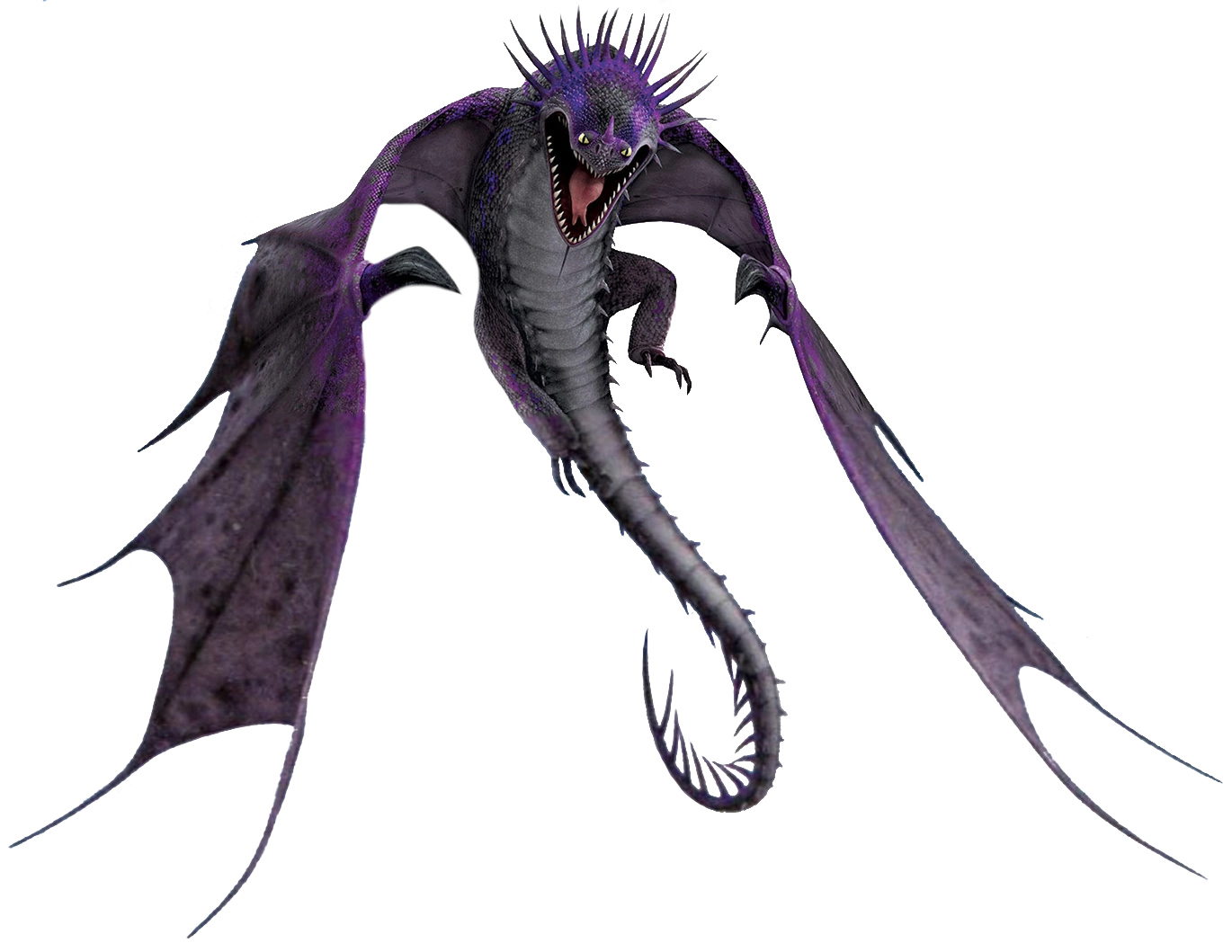
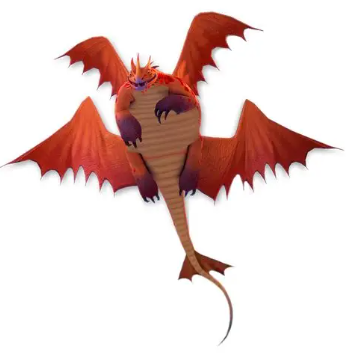
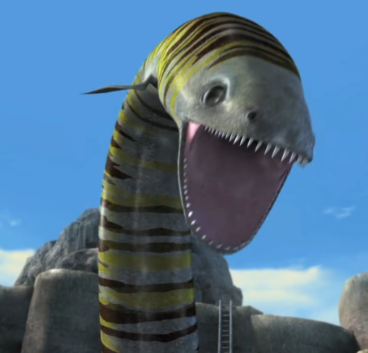
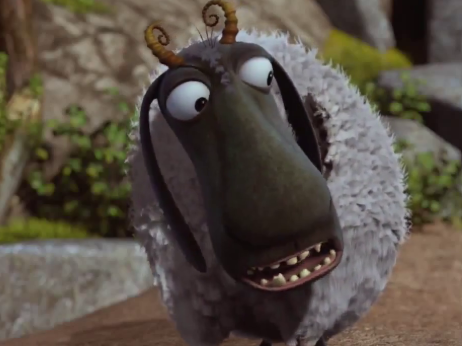
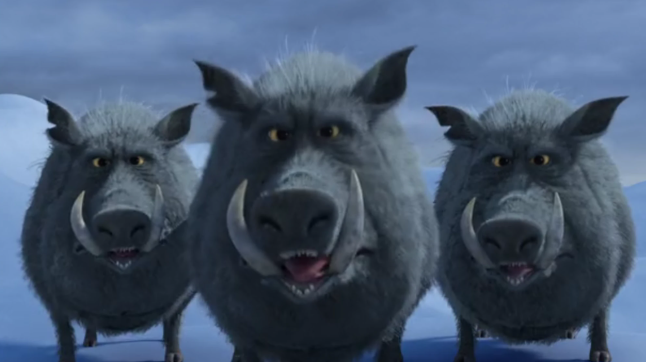
Like many dragons in the franchise, the Skrill is both carnivorous and piscivorous. Its diet includes animals such as boars, sheep, and fish. However, unlike many other species, the Skrill’s aggressive temperament places it higher in the food chain, which gives it the capability of hunting a wide variety of prey and can even overpower smaller dragons. Some accounts show it preying on dragons such as the Singetail, and even eels (eels are one species of fish that dragons don’t eat, as they are revolting for them, but not for the Skrill). This demonstrates both its strength and its dominance among other dragon species.
Here are photos of the prey the Skrill eat.
Order of Appearance
The Skrill first appeared in The Book of Dragons, a short film that introduced viewers to the many diverse species of dragons within the franchise. It later appeared in the animated television series Dragons: Defenders of Berk and made its third and final appearance in Dragons: Race to the Edge, a Netflix series that expanded on the adventures of Hiccup and his friends.
In the newer live-action adaptation of How to Train Your Dragon, the Skrill makes an appearance there. However, unlike in the animated series, it does not appear as a specific character. Instead, it can be seen only briefly in the background, serving more as a visual reference to the species than as an active participant in the story.
It was mentioned to be present in the original animated movie of How to Train Your Dragon, but we never got a good look at it; just like in the live-action version, it was more of a background or filler dragon, until its more in-focus appearance in the animated series.
Additional Lore
There is also a long-standing theory among fans that the Skrill and the Night Fury share a common evolutionary branch. This idea has circulated ever since the Skrill was first introduced. Supporters of the theory point out several similarities between the two dragons. Both belong to the Strike Class, both are capable of attracting lightning, and both can break the sound barrier while flying. These similarities have led many fans to speculate that the two species may have evolved from a shared ancestor.
What Makes the Skrill so Deadly?
The Skrill’s storyline in the animated series further highlights its intelligence and personality. In Dragons: Defenders of Berk, Hiccup and Toothless trap the Skrill in ice (after it threatened the lives of many Berk civilians), where it remains frozen for several years. The last things the dragon sees before being imprisoned are Hiccup and Toothless themselves. When it finally breaks free in Dragons: Race to the Edge, the Skrill remembers exactly who captured it and becomes driven by a desire for revenge.
This behavior demonstrates an impressive level of intelligence. Rather than acting purely on instinct, the Skrill is capable of recognizing individuals, recalling past events, and pursuing revenge with clear intent. Because of these traits, the Skrill stands out as one of the most dangerous and formidable dragons in the entire How to Train Your Dragon series.
About Me
My name is Alexey, and I’m both an artist and a longtime fan of the How to Train Your Dragon franchise. Much of my creative work focuses on designing dragons, a subject that has fascinated me for years. I specialize in creating original dragon concepts and studying how their visual design communicates their abilities, behavior, and role within a fictional world.
When I design dragons, I don’t just focus on appearance. I also think about the creature’s ecology. Features such as wing shape, body structure, horns, spines, and even scale patterns help determine how a dragon would realistically survive in its environment. For example, a fast, slender dragon with narrow wings might be adapted for high-speed flight or hunting in open skies, while a heavier, armored dragon might live in mountainous terrain or rely on strength and defense. By analyzing these visual traits, I assign each dragon a believable ecological role within its habitat.
This interest in design and ecology is what inspired me to write about dragon designs from How to Train Your Dragon. Dragons like Skrill, Deadly Nadder, and Monstrous Nightmare are great examples of how visual design can communicate power, personality, and behavior. Through both my artwork and writing, I enjoy exploring how creature design shapes the worlds these dragons live in.
Contact Me
If you have questions, feedback, or want to discuss dragon design, artwork, or the How to Train Your Dragon franchise, feel free to reach out. I’m always open to thoughtful discussions about creature design, worldbuilding, and dragon ecology.
Email: alexey.kluzner@gmail.com
Phone: 780-700-2505
What You Can Contact Me About
Feel free to reach out if you want to discuss:
- Dragon design and creature concepts
- Questions about my artwork
- Thoughts on live-action adaptations of How to Train Your Dragon
- Website feedback or suggestions
- Creative collaborations
Response Time
I typically respond to messages within 2–4 days. Please note that response times may vary depending on message volume.
Social Media
You can also find my work on social media, where I mainly share my dragon artwork and creature design concepts.
I mainly use Instagram; you can find posts of my creature sketches and design concepts. Most of my posts focus on the visual side of design, showing how different features such as wings, horns, spines, and body structure shape the overall appearance of the creature.
Username: alexeyartman


View my other posts here:
Disclaimer:
All characters, designs, and concepts from How to Train Your Dragon are the direct property of DreamWorks Animation. This post is created for educational and entertainment purposes only and is not affiliated with or endorsed by DreamWorks Animation.
 Site Title
Leave a comment