Missed Potential or New Possibilities?
The Skrill is a formidable dragon in the How to Train Your Dragon franchise, so one might expect it to be even more dangerous and powerful in the live-action adaptation of How to Train Your Dragon. Unfortunately, that is not the case. Much like many modern live-action remakes, the Skrill appears to have received far less impressive treatment in its live-action version. As exciting as it is to see a live-action adaptation of one of the most beloved animated franchises in animation history, it does not come without its flaws.
The Design
One of the core changes in the live-action How to Train Your Dragon is the redesign of many dragons to translate their cartoony appearances into a more realistic setting. Some dragons simply received more realistic textures and skin, while others were given noticeable structural changes to their bodies.
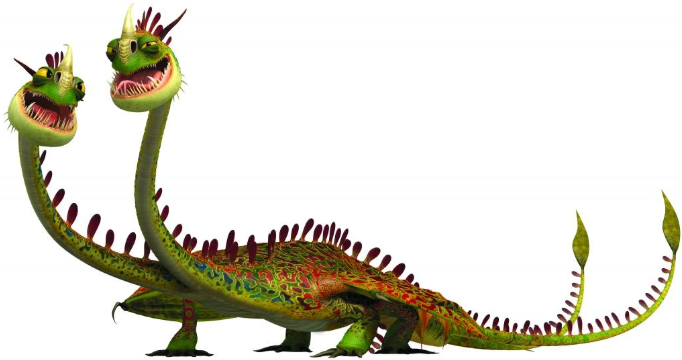
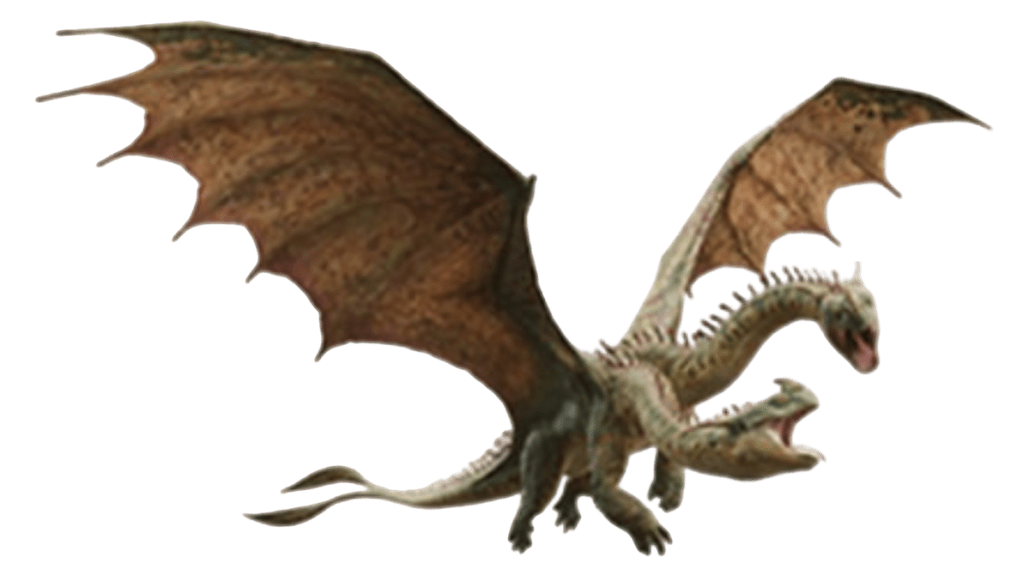
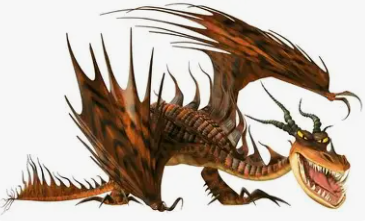
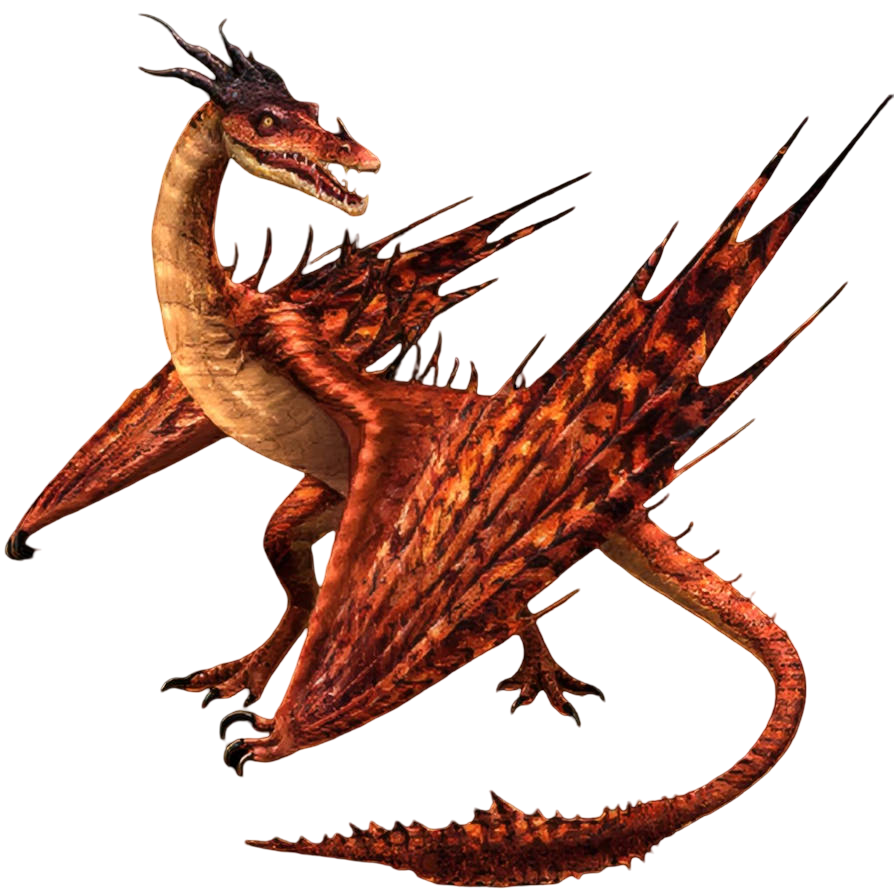
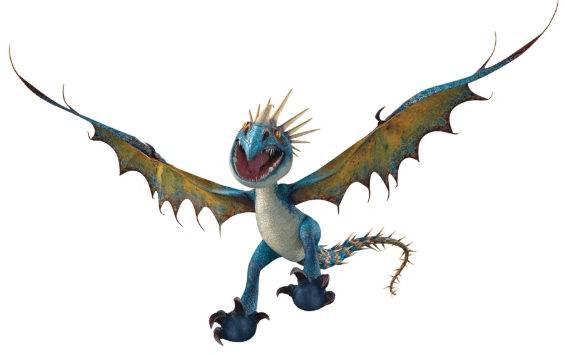
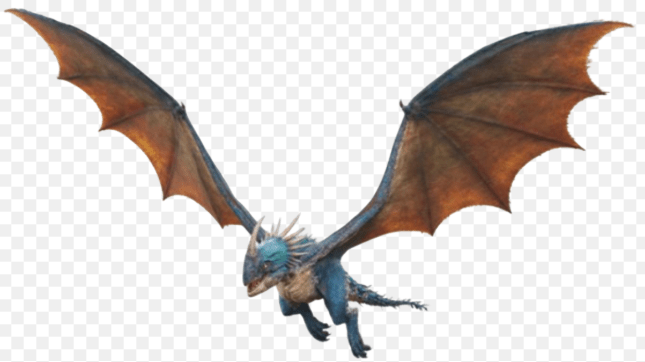
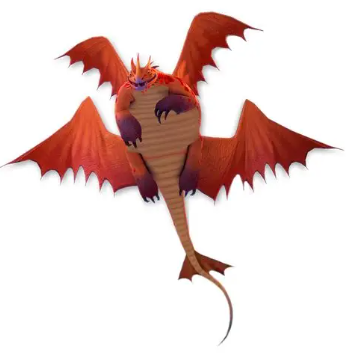
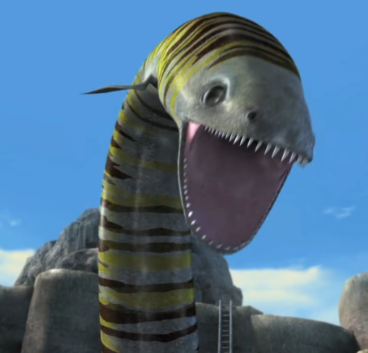
For example, the Hideous Zippleback and the Monstrous Nightmare largely resemble their counterparts from the original animated film. However, their exaggerated features—such as oversized teeth and the prominent underbite—have been toned down. In contrast, the Deadly Nadder underwent more significant adjustments. Its overall size appears smaller, particularly in body and head width, and its head has been altered from the rounded form seen in the animated version to a sharper, more hammer-like shape.
The Hideous Zippleback
The Monstrous Nightmare
The Deadly Nadder
A Storm Without Thunder
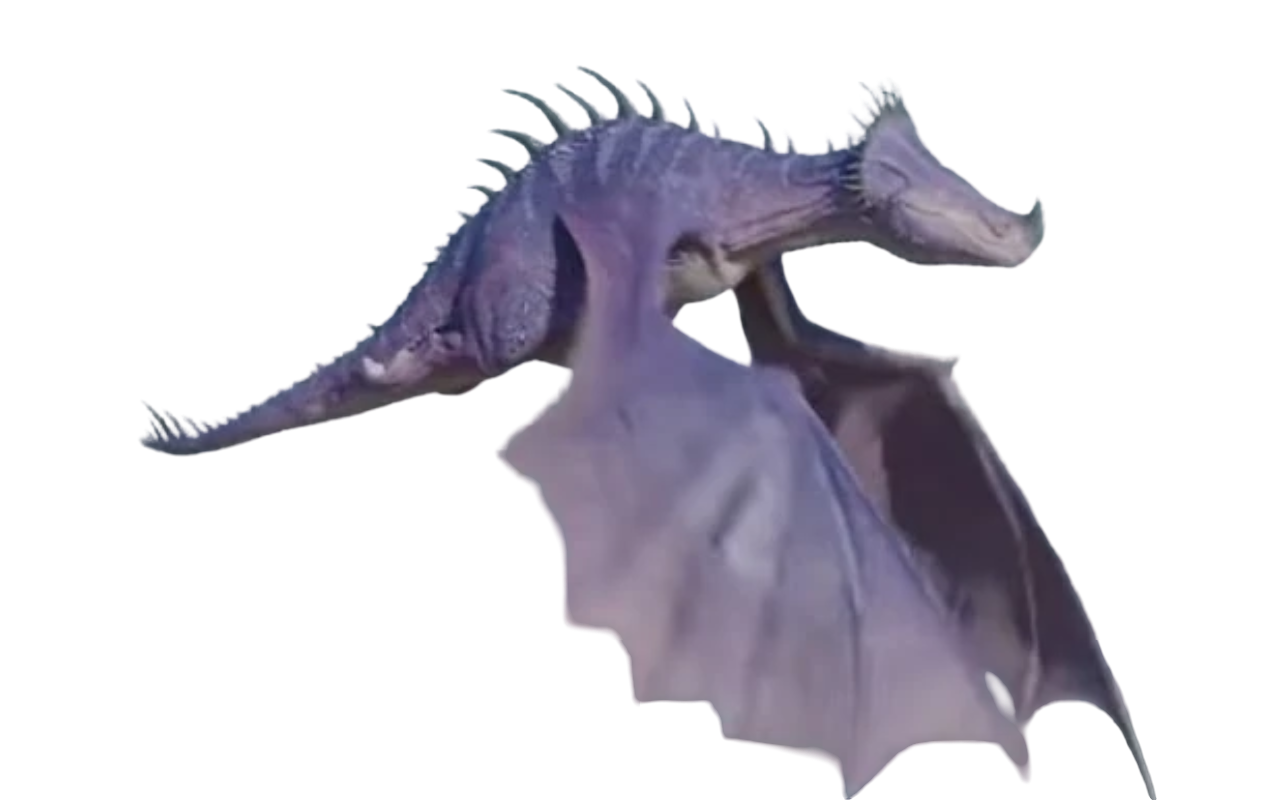
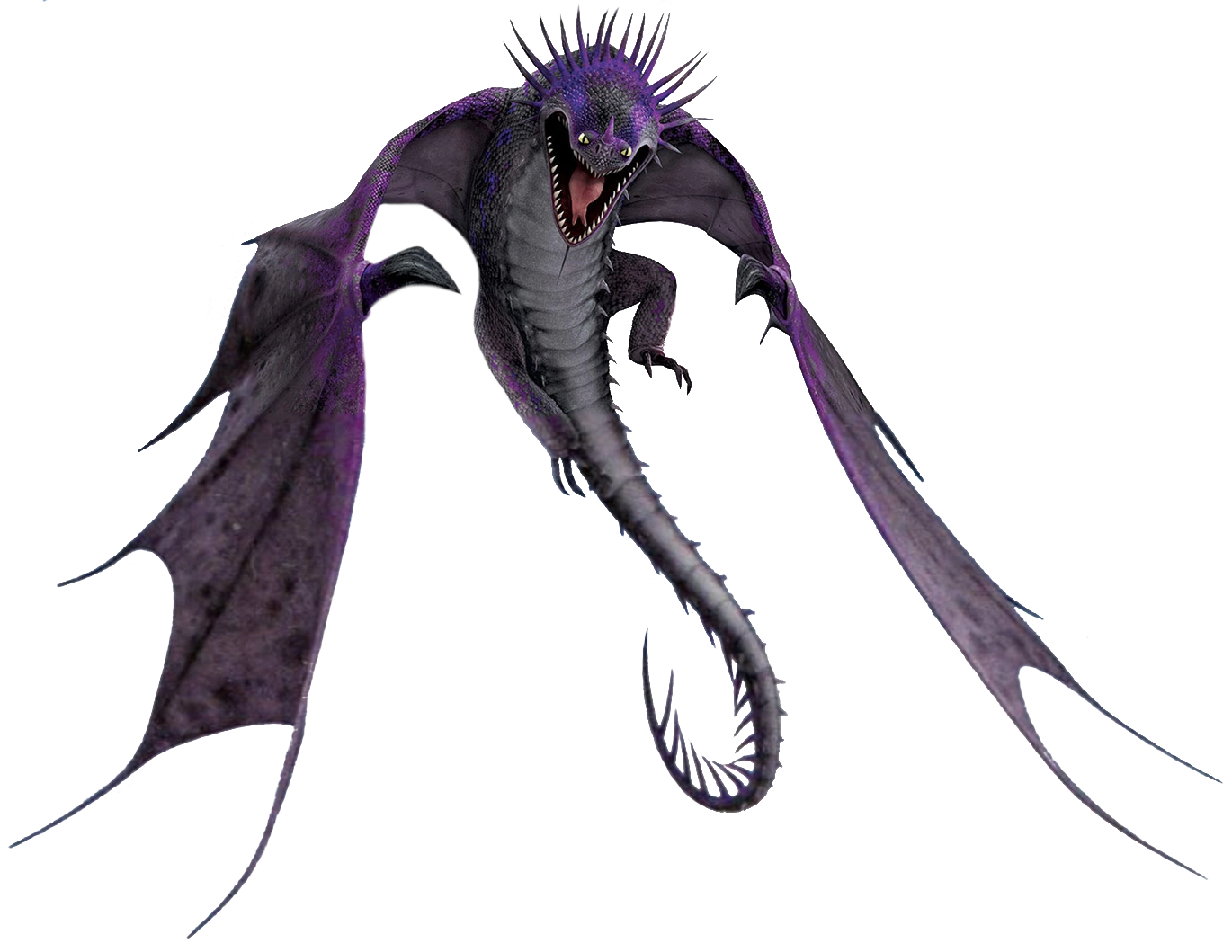
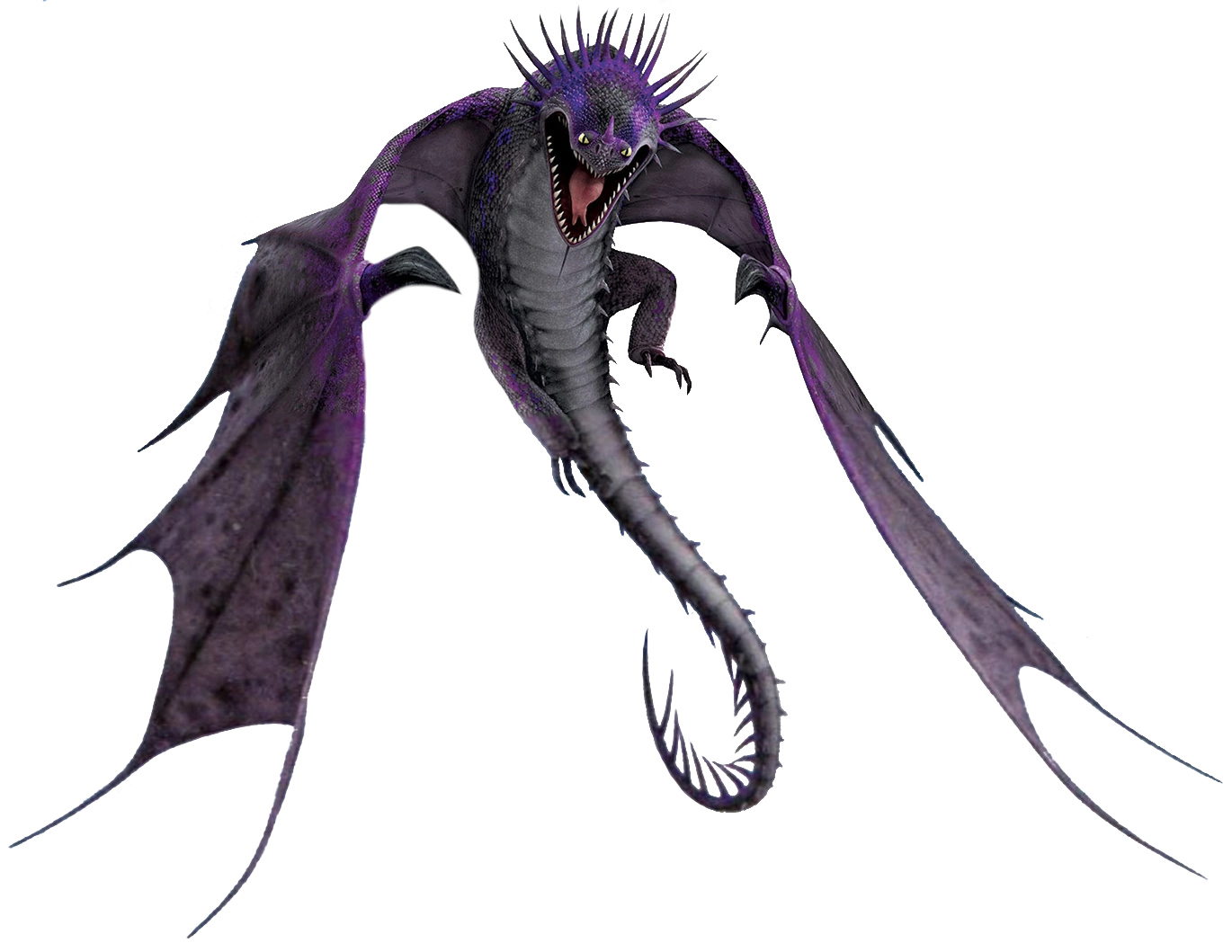
So what does this mean for the Skrill? There is still some potential for the dragon in the live-action adaptation, but the design changes raise several concerns about how effectively that potential can be realized. In the animated series, the Skrill’s design was intentionally built to make it stand out amongst the other dragons. Its long, slender body gave it a fast and almost serpentine appearance, while its large metallic spikes and prominent crown reinforced its identity as a lightning-based dragon. These features are the core reason for visually communicating its danger, speed, and absolute power. However, the live-action version appears to have altogether removed or reduced many of these defining traits.
Instead of the sleek and intimidating silhouette seen in the animated version, the live-action Skrill seems to have adopted a shorter and more compact build. Its once-distinct metallic spikes and crown-like head structure have been toned down, making them appear closer to the kinds of spikes found on many other dragons in the franchise. As a result, the Skrill loses some of the visual uniqueness that made it instantly recognizable. Rather than looking like a rare and powerful dragon, it risks blending in with the broader group of background dragons, making it almost invisible.
This change also affects how threatening the Skrill appears. In the original animated series, its design alone suggested that it was not just an ordinary dragon; it looked dangerous even before it used its lightning abilities. The large spikes, sharp silhouette, and striking crown gave the impression that the Skrill was built for speed, aggression, and destruction. Without those exaggerated and distinctive features, the live-action version may struggle to capture the same level of intimidation and may potentially lose the love it once had. If the design no longer reflects the dragon’s legendary reputation, it raises an important question: can it still truly live up to the name “Skrill”?
Reimagined Potential at a Cost
In the end, there is still a possibility that the Skrill shown in the live-action adaptation could develop into the same dragon that Dagur eventually uses as a weapon against Berk in the animated series Dragons: Defenders of Berk. If the filmmakers choose to expand on its role in future installments, the dragon could regain some of the narrative importance it once had. The Skrill’s connection to lightning, its destructive potential, and its history with Hiccup and Toothless leave room for the story to revisit the same rivalry that made the dragon so memorable in the original series. With the right development and storytelling, the live-action version could still grow into the dragon that fans can instantly recognize.
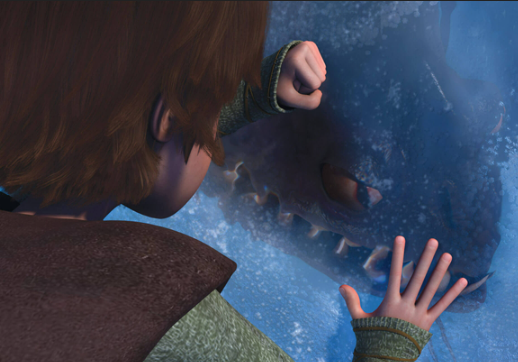
However, even with that potential, the current portrayal leaves a sense of uncertainty. The toned-down design and reduced presence make it harder to imagine that the Skrill will have the same impact it once did. In the animated series Dragons: Race to the Edge, its return carried emotional weight because it remembered Hiccup and Toothless and sought revenge after years of being trapped in ice. That personal conflict helped elevate the Skrill from just another dangerous dragon into an actual life-threatening antagonist.
Without those defining elements, the encounter loses much of the tension that originally made it so compelling. If the live-action version continues in this direction, the dynamic between Hiccup and Toothless may also feel different from the one audiences have come to know and love. Their bond and their growth through moments like the Skrill encounter were central to the story’s emotional core. The Skrill is ONE of the reasons why Hiccup and Toothless are the way that they are. It was an important building block in their character arcs. Without that same depth, the duo may still exist on screen, but they may no longer feel quite like the same Hiccup and Toothless that defined the heart of the original franchise.
About Me
My name is Alexey, and I’m both an artist and a longtime fan of the How to Train Your Dragon franchise. Much of my creative work focuses on designing dragons, a subject that has fascinated me for years. I specialize in creating original dragon concepts and studying how their visual design communicates their abilities, behavior, and role within a fictional world.
When I design dragons, I don’t just focus on appearance. I also think about the creature’s ecology. Features such as wing shape, body structure, horns, spines, and even scale patterns help determine how a dragon would realistically survive in its environment. For example, a fast, slender dragon with narrow wings might be adapted for high-speed flight or hunting in open skies, while a heavier, armored dragon might live in mountainous terrain or rely on strength and defense. By analyzing these visual traits, I assign each dragon a believable ecological role within its habitat.
This interest in design and ecology is what inspired me to write about dragon designs from How to Train Your Dragon. Dragons like Skrill, Deadly Nadder, and Monstrous Nightmare are great examples of how visual design can communicate power, personality, and behavior. Through both my artwork and writing, I enjoy exploring how creature design shapes the worlds these dragons live in.
Contact Me
If you have questions, feedback, or want to discuss dragon design, artwork, or the How to Train Your Dragon franchise, feel free to reach out. I’m always open to thoughtful discussions about creature design, worldbuilding, and dragon ecology.
Email: alexey.kluzner@gmail.com
Phone: 780-700-2505
What You Can Contact Me About
Feel free to reach out if you want to discuss:
- Dragon design and creature concepts
- Questions about my artwork
- Thoughts on live-action adaptations of How to Train Your Dragon
- Website feedback or suggestions
- Creative collaborations
Response Time
I typically respond to messages within 2–4 days. Please note that response times may vary depending on message volume.
Social Media
You can also find my work on social media, where I mainly share my dragon artwork and creature design concepts.
I mainly use Instagram; you can find posts of my creature sketches and design concepts. Most of my posts focus on the visual side of design, showing how different features such as wings, horns, spines, and body structure shape the overall appearance of the creature.
Username: alexeyartman


View my other posts here:
Disclaimer:
All characters, designs, and concepts from How to Train Your Dragon are the direct property of DreamWorks Animation. This post is created for educational and entertainment purposes only and is not affiliated with or endorsed by DreamWorks Animation.
 Site Title